What To Do When Your Insurance Company Denies The Claim?

Insurance Claim cover is using image by Pixel perfect freepik

The compilation of records in the list comes from state insurance departments, which individuals can turn to for assistance if they believe an insurance company is not treating them fairly. Here is some way you can do when insurance company denies the claim. Complaints It is no surprise that most complaints are about how claims


What is Bitcoin Stamp?

Bitcoin STAMP protocol is a technique that involves embedding base64-formatted image data onto the Bitcoin blockchain using transaction outputs in a distinct manner. The main goal of this method is to ensure long-lasting and unchangeable storage by directly storing the data in the Bitcoin blockchain, preventing it from being removed from a full node. How

What is SRC-20?

The SRC-20 token standard is specifically made for generating and controlling tokens, particularly Bitcoin Stamps, on the blockchain of Bitcoin. SRC-20 allows for the inclusion of data in Bitcoin transactions, just like the BRC-20 standard, but with different methods of data embedding. Bitcoin Stamps, also known as SRC-20 tokens, are digital collectibles that are stored

What is Insurance Claim?

Insurance Claim cover is using image by Pixel perfect freepik

An insurance claim is when a policyholder formally asks an insurance company for coverage or compensation for a loss or event covered by their policy. The insurance company will review the claim and either approve or deny it. If approved, the insurance company will make a payment to the insured or an approved party on

What is BRC-20?

It’s a new token standard that allows the creation and transfer of interchangeable tokens using the Ordinals protocol on the Bitcoin blockchain. It’s an answer to the title “What is BRC-20?” BRC-20 tokens have distinct mechanisms and functions, inspired by Ethereum‘s ERC-20 tokens. Although they became highly popular in the first half of 2023, it’s

What is Underlying Retention?

Underlying Retention image is made by Finsurlog

The ceding company keeps a certain amount of risk or liability from an insurance policy or policies, which is known as underlying retention, even after reinsuring the remaining balance. The amount of retention will differ based on how the ceding company evaluates the risks of keeping some of the policy liability and the profitability of

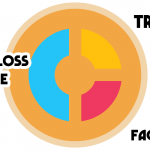
Treaty vs Facultative vs Excess of Loss Reinsurance

Treaty vs Facultative vs Excess of Loss Reinsurance is using image by Muhammad_Usman freepik

Treaty vs Facultative vs Excess of Loss Reinsurance – Treaty reinsurance is distinct from facultative reinsurance because it encompasses a comprehensive contract for a specific risk type, eliminating the need for a facultative certificate for each risk transfer. On the contrary, facultative risk gives the reinsurer the option to accept or decline individual risks. It

What is Bitcoin Layer 2?

Bitcoin Layer 2 refers to protocols constructed on the Bitcoin blockchain. These protocols are created to tackle performance problems and other restrictions of the primary chain. By processing transactions outside the main blockchain, Layer 2 protocols offer benefits like better scalability, increased programmability, and extended support for decentralized applications. Why Bitcoin Layer 2? Bitcoin’s original

ERC-1155 Definition

The ERC-1155 is a significant token standard on Ethereum, alongside ERC-20 and ERC-721. In this detailed exploration, we will dive into the complexities of ERC-1155, comprehend its functionality, and recognize its importance in the blockchain ecosystem. It’s ERC-1155 Definition. What Is the ERC-1155 Token Standard? ERC-1155, also known as Ethereum Request for Comments 1155, is

What is Treaty Reinsurance?

Treaty Reinsurance cover is using image by Uniconlabs freepik

Treaty reinsurance is when an insurance company buys insurance from another insurer. The insurer who sells the insurance is called the cedent, and they transfer all the risks of a certain type of policies to the buying company, which is the reinsurer. There are three main types of reinsurance contracts: treaty reinsurance, facultative reinsurance, and